

Jon Harrison is one of those names in U.S. defense circles that often sparks debate. He is an American defense official who rose to prominence during the Trump administration and later became a key figure in the Navy. Known for his sharp administrative skills and his ability to streamline complex systems, Harrison was trusted by many as a reliable insider.
In October 2025, Harrison was suddenly dismissed from his post as Chief of Staff to the Navy Secretary. The decision shocked many in Washington and raised questions about the internal politics of the Department of Defense. His journey is a mix of achievements, reforms, and controversies that continue to be discussed even today.
Jon Harrison Age, Career, Wife, Family, Controversies
| Attribute | Details |
|---|---|
| Full Name | Jon Harrison |
| Nationality | American |
| Known For | U.S. defense official, Navy administration, Arctic policy |
| Key Roles | – Chairman, U.S. Arctic Research Commission (2020–2021) – Chief of Staff to Navy Secretary John Phelan (Jan 2025 – Oct 2025) |
| Major Contributions | – Strengthened U.S. Arctic strategy – Streamlined Navy policy and budgeting offices – Oversaw administrative restructuring |
| Controversies | – Internal tensions with Navy Undersecretary Hung Cao – Criticism for consolidating too much power – Dismissed by Defense Secretary Pete Hegseth in Oct 2025 |
| Dismissal Date | October 3, 2025 |
| Reason for Dismissal | Political and bureaucratic friction, not misconduct |
| Media Coverage | Widely reported by Politico, Defense One, and other outlets |
| Wikipedia | @Jon_Harrison_(U.S._Navy) |
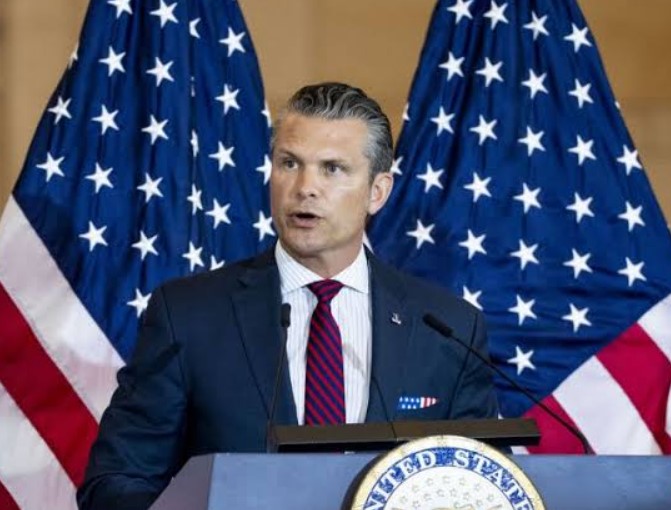
Early Life and Career Beginnings
Details about Jon Harrison’s personal background are limited, but his professional path shows a steady rise through national security and defense policy circles. He built his reputation as someone who could handle complex bureaucratic structures and make them more efficient.
His early work focused on defense strategy and restructuring. Over time, he became known as a strategist who could balance policy with practical administration. This reputation opened doors for him to take on senior roles in government, where he would later influence major defense decisions.
Rise in Defense and Policy Circles
Harrison’s career gained momentum as he became a trusted figure in defense policymaking. He was frequently referred to as a “fixer” who could reduce red tape and simplify procedures. His ability to manage large teams and reorganize departments made him stand out among his peers.

By the late 2010s, Harrison was already seen as a rising star in defense circles. His work earned him recognition from senior officials, and he was soon considered for leadership roles that would put him at the center of U.S. defense strategy.
Arctic Research Commission Leadership (2020–2021)
In 2020, Harrison was appointed by President Donald Trump as Chairman of the U.S. Arctic Research Commission. This role was significant because the Arctic region has become a critical area for defense and resource interests.
As chairman, Harrison focused on strengthening America’s presence in the Arctic. He worked on regional strategies that promoted international cooperation, defense readiness, and research. His leadership in this role highlighted his ability to handle complex geopolitical issues while keeping national security at the forefront.

See Also:- Mark Sanchez
Chief of Staff to the Navy Secretary (2025)
In January 2025, Harrison reached the peak of his career when he was appointed Chief of Staff to Navy Secretary John Phelan. This position gave him direct influence over Navy operations, policy, and budgeting.
As Chief of Staff, Harrison was responsible for overseeing administrative processes and ensuring that the Navy’s leadership had the support needed to carry out its mission. His appointment was seen as a sign of trust, as he was given authority over some of the most critical aspects of Navy administration.
Bureaucratic Reorganization
One of Harrison’s most notable achievements during his time as Chief of Staff was the consolidation of policy and budgeting offices. This move was designed to streamline operations and reduce duplication of work.

Supporters praised the reorganization as a step toward efficiency, arguing that it saved time and resources. Critics, however, felt that it concentrated too much power under Harrison’s control. Regardless of the debate, the restructuring left a lasting mark on Navy administration and showed Harrison’s determination to push through bold changes.
Internal Tensions with Leadership
Jon’s time as Chief of Staff was not smooth. The arrival of Navy Undersecretary Hung Cao created serious friction inside the department. Harrison and Navy Secretary John Phelan began reassigning aides and restructuring offices, moves that clashed with Cao’s vision.
These tensions were not just about personalities but about control. Harrison wanted tighter oversight of policy and budgeting, while Cao pushed for a different approach. The disagreements grew sharper over time, and soon the department was divided into camps.

Dismissal by Defense Secretary Pete Hegseth (October 3, 2025)
On October 3, 2025, Defense Secretary Pete Hegseth ordered Harrison’s removal. The decision came suddenly and shocked many in Washington. Harrison had been seen as a powerful figure, and his dismissal raised questions about the balance of power inside the Pentagon.
Reports suggested that the firing was not linked to misconduct but to political and bureaucratic friction. Harrison’s consolidation of offices and his clashes with Cao were seen as reasons for his removal.
Interesting Facts about Jon Harrison
- Harrison was a trusted insider in Trump’s defense administration.
- He served as Chairman of the U.S. Arctic Research Commission (2020–2021).
- He became Chief of Staff to Navy Secretary John Phelan in January 2025.
- He was dismissed on October 3, 2025, by Defense Secretary Pete Hegseth.
- He is known for bureaucratic streamlining and defense strategy reforms.
Read Also:- Ann Michael Maye (Drake Maye’s Wife)
