
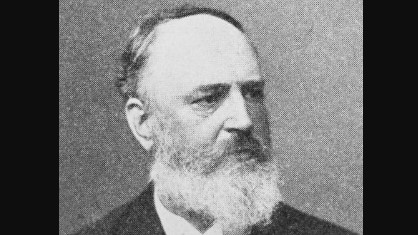
Ernst Herter was a German sculptor whose works still speak to us more than a century after his death. Born in the mid-19th century, Herter became known for his ability to bring ancient myths and legends to life through stone and bronze. His sculptures were not just decorative pieces; they carried emotion, drama, and a sense of timeless beauty.
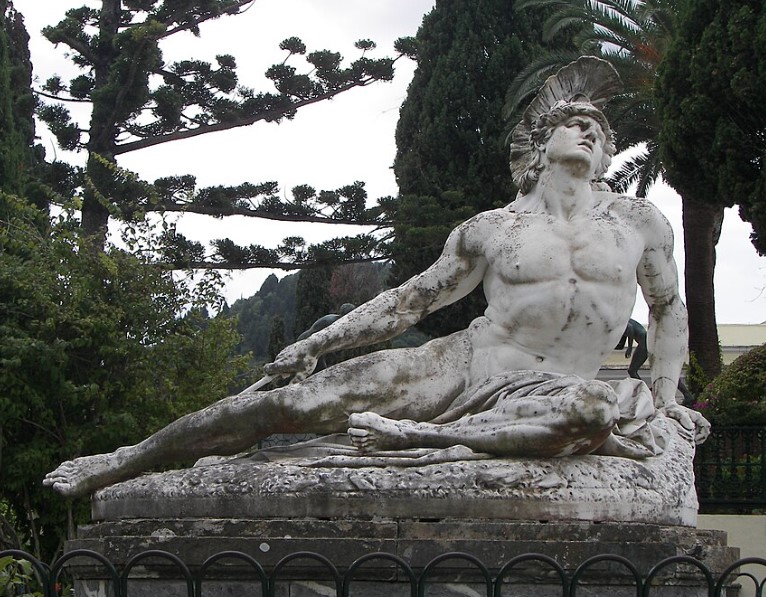
Artists and thinkers looked back to Greek and Roman traditions for inspiration, and Herter found his calling in this world of mythological heroes and tragic figures. His most famous work, Dying Achilles, remains one of the most striking depictions of human struggle and vulnerability in art. Even today, visitors in Corfu, Greece, and Elbląg, Poland, pause to admire the detail and emotion in this masterpiece.
Ernst Herter BIO, Career, Age, Wife, Death
| Attribute | Details |
|---|---|
| Full Name | Ernst Gustav Herter |
| Date of Birth | 14 May 1846 |
| Place of Birth | Berlin, Germany |
| Parents | Gustav Adolf Herter (father), Elise Reinhard (mother) |
| Education | Prussian Academy of Arts, trained under Ferdinand August Fischer, Gustav Blaeser, Albert Wolff |
| Major Achievement | Won Academy prize for composition in 1866 |
| Famous Works | Dying Achilles (1884), Lorelei Fountain (1899), The Rare Catch (1896), Statue of Hermann von Helmholtz, Orpheus (1902), Muse Terpsichore (1909) |
| Signature Style | Neoclassical sculpture, mythological themes, focus on anatomy and emotion |
| Marriage | Married Elisabeth Wiebe in 1885 |
| Children | Father of five |
| Residence | Berlin-Charlottenburg, Germany |
| Death | 19 December 1917, Berlin, Germany |
| Wikipedia | @Ernst_Herter |
Early Life in Berlin
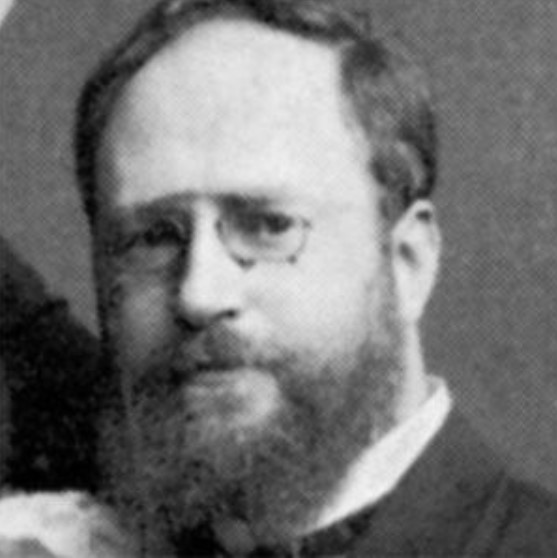
Ernst Gustav Herter was born on 14 May 1846 in Berlin, Germany. His father, Gustav Adolf Herter, worked as a professional, and his mother, Elise Reinhard, managed the household. Growing up in Berlin during the mid-19th century meant being surrounded by a city that was quickly modernizing, yet still deeply connected to its cultural traditions.
From a young age, Herter showed interest in the arts. Berlin was home to many artists, sculptors, and intellectuals, and this environment gave him the chance to explore his creative side. His family supported his education, and he was encouraged to pursue formal training in sculpture. This early foundation would later help him become one of the most respected sculptors of his time.
Academic Training and Mentorship
Herter’s formal education began at the Prussian Academy of Arts, one of the most prestigious institutions in Germany. Here, he studied under well-known sculptors such as Ferdinand August Fischer, Gustav Blaeser, and Albert Wolff. These mentors shaped his understanding of classical art and gave him the technical skills needed to work with marble and bronze.
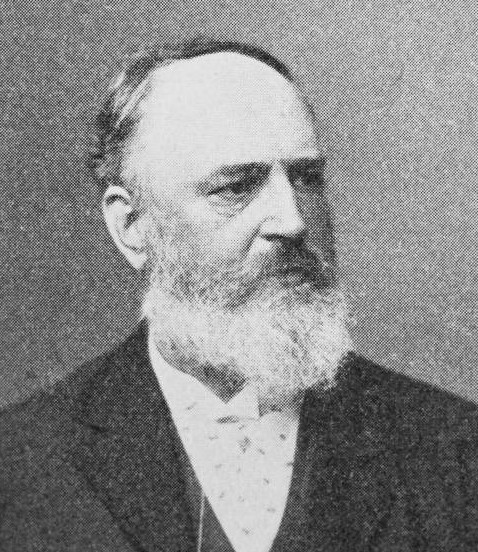
In 1866, Herter won the Academy prize for composition, a recognition that marked him as a promising young artist. This achievement gave him confidence and opened doors to new opportunities. He continued to refine his style, focusing on mythological subjects and figures from ancient history.
Establishing His Own Studio
After completing his studies, Ernst Herter set up his own studio in Berlin in 1869. This was a turning point in his career because it gave him independence and the chance to take on commissions directly. His studio became a place where ideas were shaped into marble and bronze, and where mythological heroes were reborn in modern form.
Berlin was a city that valued public art, and sculptures were often commissioned for parks, universities, and cultural spaces. Herter’s ability to combine technical skill with emotional depth made him stand out among his peers. By the 1870s, he was already recognized as a sculptor who could handle both intimate works and large-scale monuments.
See Also:- Iqa Jalil
Signature Work: Dying Achilles
Herter’s most celebrated piece is Dying Achilles, created in 1884. This sculpture shows the legendary Greek warrior Achilles at the moment of his death, struck by an arrow in his heel. The figure is powerful yet vulnerable, with every muscle carefully carved to show both strength and pain. A second version of Dying Achilles was later installed in Elbląg, Poland.
The sculpture was commissioned by Empress Elisabeth of Austria, who placed it in her palace in Corfu, known as Achilleion. The Empress admired Greek mythology, and Herter’s work fit perfectly with her vision of the palace as a tribute to ancient heroes. Visitors to Corfu still pause to admire the statue, which captures the tragic beauty of Achilles’ final moment.
The Lorelei Fountain Controversy
Another important chapter in Herter’s career was the Lorelei Fountain, designed in the late 19th century. The fountain was meant to honor the poet Heinrich Heine, whose works celebrated German culture and folklore. Herter’s design included the mythical figure of Lorelei, a siren from the Rhine River legend.
However, the project faced strong opposition in Düsseldorf, where antisemitic and nationalist groups rejected the idea of honoring Heine, who was Jewish. As a result, the fountain was never installed in Germany. Instead, it found a home in New York City, where it was placed in the Bronx in 1899.
Other Notable Sculptures
While Dying Achilles and the Lorelei Fountain are his most famous creations, Ernst Herter produced many other works that added to his reputation. One of these is The Rare Catch (1896), located in Berlin’s Viktoriapark. This sculpture shows fishermen celebrating a large catch, and it reflects Herter’s ability to capture everyday human joy with the same skill he used for mythological themes.
Another important piece is the statue of Hermann von Helmholtz, the German scientist, which stands at Humboldt University in Berlin. This work shows Herter’s versatility, as he could move from mythological heroes to real-life figures with equal precision. He also created Orpheus in 1902 and Muse Terpsichore in 1909, both of which highlight his love for classical subjects.
Personal Life and Later Years
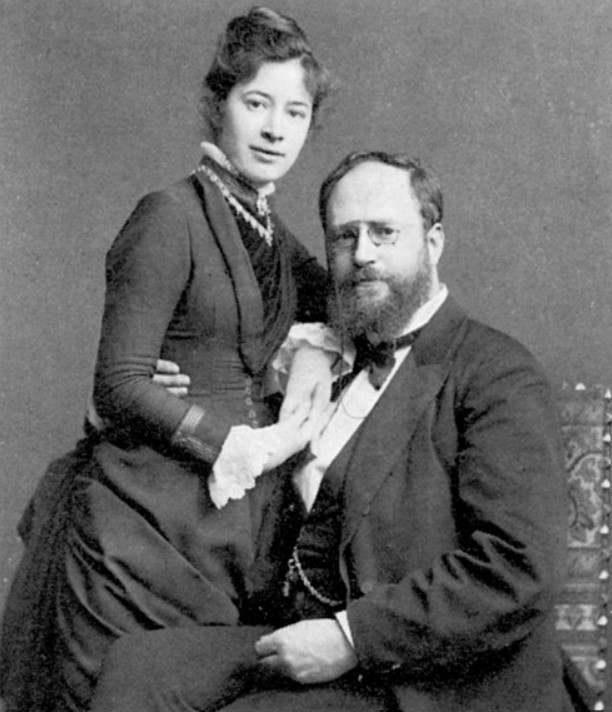
Herter’s personal life was as full as his professional one. In 1885, he married Elisabeth Wiebe, and together they had five children. The family lived in Berlin-Charlottenburg, where Herter built a villa and studio. This home became the centre of his creative life, and it was here that he worked on many of his most important pieces.
Life in Berlin during the late 19th and early 20th centuries was not easy. The city was growing rapidly, and political tensions were rising across Europe. Herter continued to work despite these challenges, but the outbreak of World War I brought hardship. He passed away on 19 December 1917, during a time when Germany was facing great turmoil.
Interesting Facts & Trivia
- In 1866, Ernst Herter was awarded the Academy Prize for composition.
- One of Corfu’s most photographed statues is his Dying Achilles.
- In 1899, the Lorelei Fountain found a home in New York after being rejected in Düsseldorf.
- He liked marble for accuracy and metal for durability.
- For large-scale projects, Herter worked with Berlin foundries.
- He joined the Prussian Academy of Arts.
- Themes of fate, tragedy, and human struggle were frequently explored in his sculptures.
Read Also:- Lucia Mokrasova
